

Introduction to the Value Proposition Canvas
The Value Proposition Canvas is a strategic tool designed to facilitate the alignment of products or services with customer needs, thereby enhancing value delivery. By breaking down the relationship between customer demands and business offerings, it provides organizations with clarity on how to effectively address market challenges. This canvas is particularly significant in business strategy and product development, serving as a blueprint for effectively communicating value to potential customers.
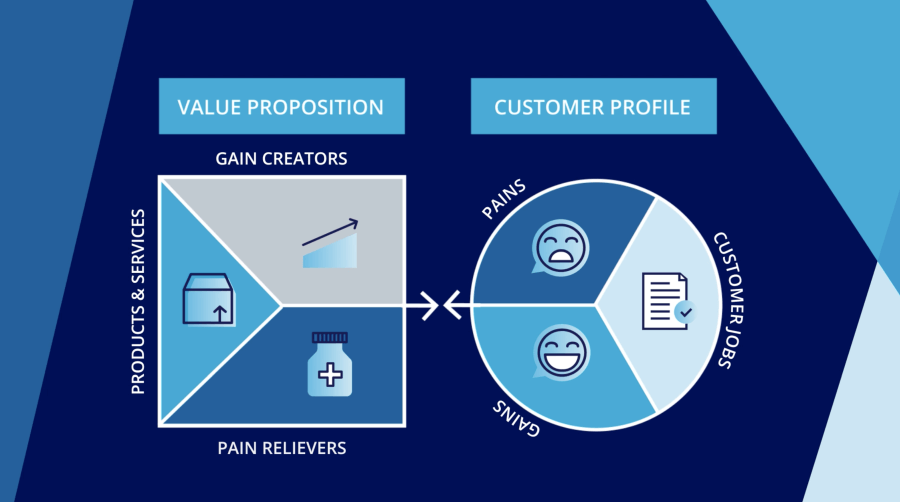
The Value Proposition Canvas is composed of two primary components: the customer profile and the value map. The customer profile focuses on understanding the target audience by identifying their job tasks, pain points, and gains. Job tasks refer to the specific objectives customers aim to accomplish. Pain points are the challenges or obstacles they face, while gains outline the benefits they seek. This holistic view allows businesses to tailor their offerings to precisely meet customer needs.
Components of the Value Proposition Canvas
The Value Proposition Canvas is an integral part of business strategy, focusing on aligning products and services with customer needs and desires. It comprises two primary components: the customer profile and the value map. Understanding these components is crucial for effectively leveraging the value proposition canvas to fuel business success.
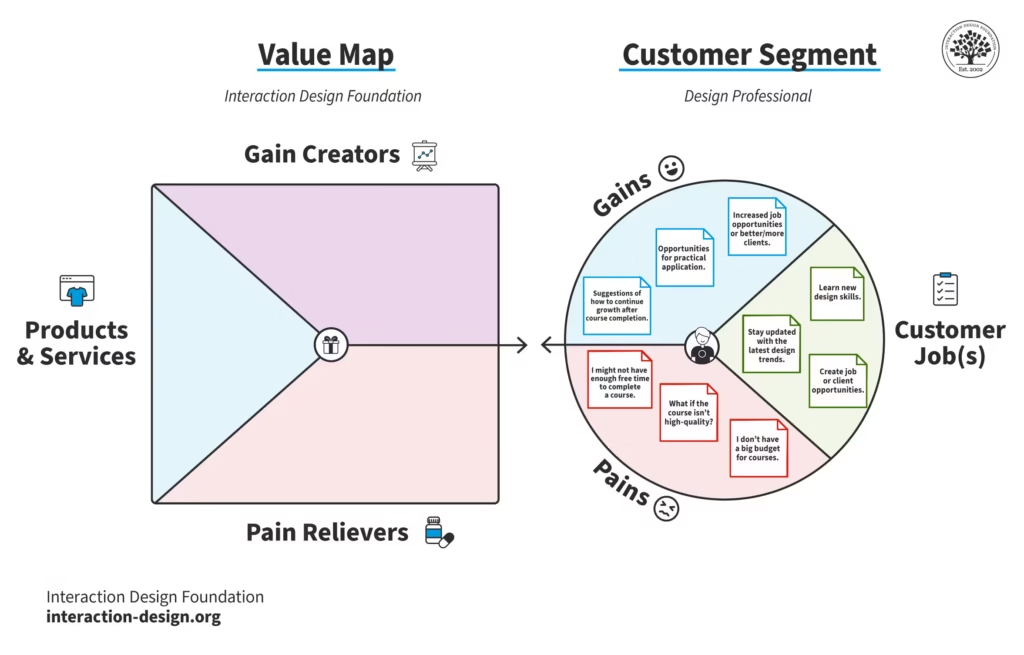
The customer profile delves into the specifics of the target audience. It is broken down into three key elements: jobs, pains, and gains. “Jobs” refer to the tasks that customers are trying to accomplish, be it functional, social, or emotional. Recognizing the various jobs helps businesses comprehend what their customers prioritize and how products can fit into their lives. Meanwhile, “pains” capture the obstacles and difficulties customers face while attempting to achieve these jobs. Thoroughly identifying customer pains enables businesses to develop solutions that specifically address these challenges, thereby enhancing their value proposition. Finally, the “gains” element highlights the benefits and positive outcomes customers seek. By understanding what customers truly value, businesses can better tailor their offerings to maximize these gains.
On the other half of the canvas lies the value map. This section outlines how products or services can alleviate customer pains and amplify their desired gains. The value map is structured to supersede customer challenges through tailored solutions. It details the specific features and attributes of the offering that can directly respond to customer pains and articulate how these offerings will deliver the expected gains. By meticulously aligning the value map with the customer profile, businesses can fortify their value proposition by ensuring that their products effectively resonate with customer needs.
How to Use the Value Proposition Canvas Effectively
The Value Proposition Canvas serves as a practical tool for businesses aiming to align their products and services with the needs and desires of their customers. To employ the canvas effectively, one should follow a structured approach that emphasizes deep customer insights and iterative refinement.
Begin by identifying the target customer segments that your business aims to serve. This involves creating distinct profiles for each customer segment, outlining their demographic information, pain points, and goals. Once you have a clear understanding of who your customers are, proceed to fill out the ‘Customer Profile’ section of the canvas. Here, detail the specific jobs that customers aim to accomplish, the challenges they face (pain points), and the desired outcomes (gains).
Next, move to the ‘Value Proposition’ section. This is where you clarify how your products or services can alleviate the identified pains and enhance the gains for the customer. List the features of your offering that directly address the customer needs outlined in their profile. Ensure that each feature is closely aligned with what customers value most; this alignment is crucial for the canvas to be effective.
To reinforce your assumptions, conduct customer research through surveys, interviews, or focus groups. Gathering feedback allows you to validate whether your proposed value propositions resonate with your target audience. It is vital to remain open to adjusting your proposition based on actual customer feedback to avoid any discrepancies between your perception and market reality.
Lastly, examine real-life cases where businesses have successfully implemented the Value Proposition Canvas. For instance, a tech startup developed a new app by closely engaging with potential users during the early stages, adjusting its features based on user testing. This iterative process not only refined their value proposition but also significantly increased their customer acquisition rates.
Conclusion and Final Thoughts on the Value Proposition Canvas
In the ever-evolving landscape of business, understanding and addressing customer needs are of paramount importance. The Value Proposition Canvas serves as a vital tool for organizations seeking to enhance their market offerings. By aligning products and services with customer pain points and desires, businesses can create compelling value propositions that resonate with their target audience.
One of the key takeaways from the Value Proposition Canvas is the necessity for businesses to actively listen to their customers. By employing techniques to gather insights into customer preferences, organizations can refine their value propositions to meet changing demands and expectations. This iterative approach fosters stronger customer relationships and aids in the cultivation of loyalty, as consumers feel valued and understood.
Moreover, the integration of the Value Proposition Canvas into strategic planning processes not only streamlines product development and marketing efforts but also guides teams in identifying opportunities for innovation. By utilizing this framework, businesses can systematically assess their strengths and weaknesses in relation to customer needs. Regular updates to the value proposition based on continuous customer feedback ensure that offerings remain relevant and competitive.
As we conclude our discussion on the Value Proposition Canvas, it is essential to emphasize that this tool is not a one-time exercise but an ongoing process. Organizations that embrace this mindset will find themselves better equipped to navigate the complexities of customer value. Ultimately, a proactive commitment to understanding customer needs and delivering tailored solutions will set businesses apart in an increasingly competitive environment.